


Miles Davis Quintet • Complete Café Bohemia Bandstand U.S.A. 1956-58 Radio Broadcasts • Volume 2
Miles Davis Quintet • Complete Café Bohemia Bandstand U.S.A. 1956-58 Radio Broadcasts • Volume 2
GRooVE back records
Genere musicale: JAZZ
En existencias
No se pudo cargar la disponibilidad de retiro
SKU:GBR00125
Miles Davis en Café Bohemia – Volumen 2 en vinilo audiófilo de 180g
Miles Davis Quintet con Sonny Rollins
Red Garland • Paul Chambers • Art Taylor
Edición audiófila en LP de 33 rpm
- Vinilo audiófilo de 180g
- Direct Metal Mastering (DMM)
- One-Step
- MPI™ – Micro-Precision Injection™
- GRooVE back Records
- Catálogo: GBR00125
- Grabaciones: Café Bohemia, Greenwich Village, Nueva York • Bandstand U.S.A. • 1956–1958
- Restauración de fuentes, corrección de velocidad y remasterización: Enrico Merlin
- Supervisión final de audio: Marco Lincetto – Velut Luna
Este vinilo audiófilo de Miles Davis constituye el segundo volumen de la serie Complete Café Bohemia – Bandstand U.S.A. 1956–58 Radio Broadcasts, dedicada a las históricas grabaciones del Miles Davis Quintet realizadas en el Café Bohemia de Greenwich Village y emitidas por Mutual Network.
El Volumen 2 documenta una formación extraordinaria con Miles Davis, Sonny Rollins, Red Garland, Paul Chambers y Art Taylor, recuperando estas actuaciones mediante un meticuloso trabajo de reconstrucción de fuentes, corrección de velocidad y afinación y remasterización.
Las grabaciones completas de la serie abarcan aproximadamente 120 minutos de música distribuidos en tres volúmenes y conservan también los anuncios radiofónicos originales de Guy Wallace y sus invitados, ofreciendo no solo música, sino un testimonio directo de la cultura del jazz y la radio estadounidenses de la segunda mitad de los años cincuenta.
Café Bohemia y las emisiones de Bandstand U.S.A.
Este segundo volumen de una serie de tres presenta las grabaciones completas realizadas por el Miles Davis Quintet entre 1956 y 1958 en el Café Bohemia, situado en el número 15 de Barrow Street, Greenwich Village, Nueva York.
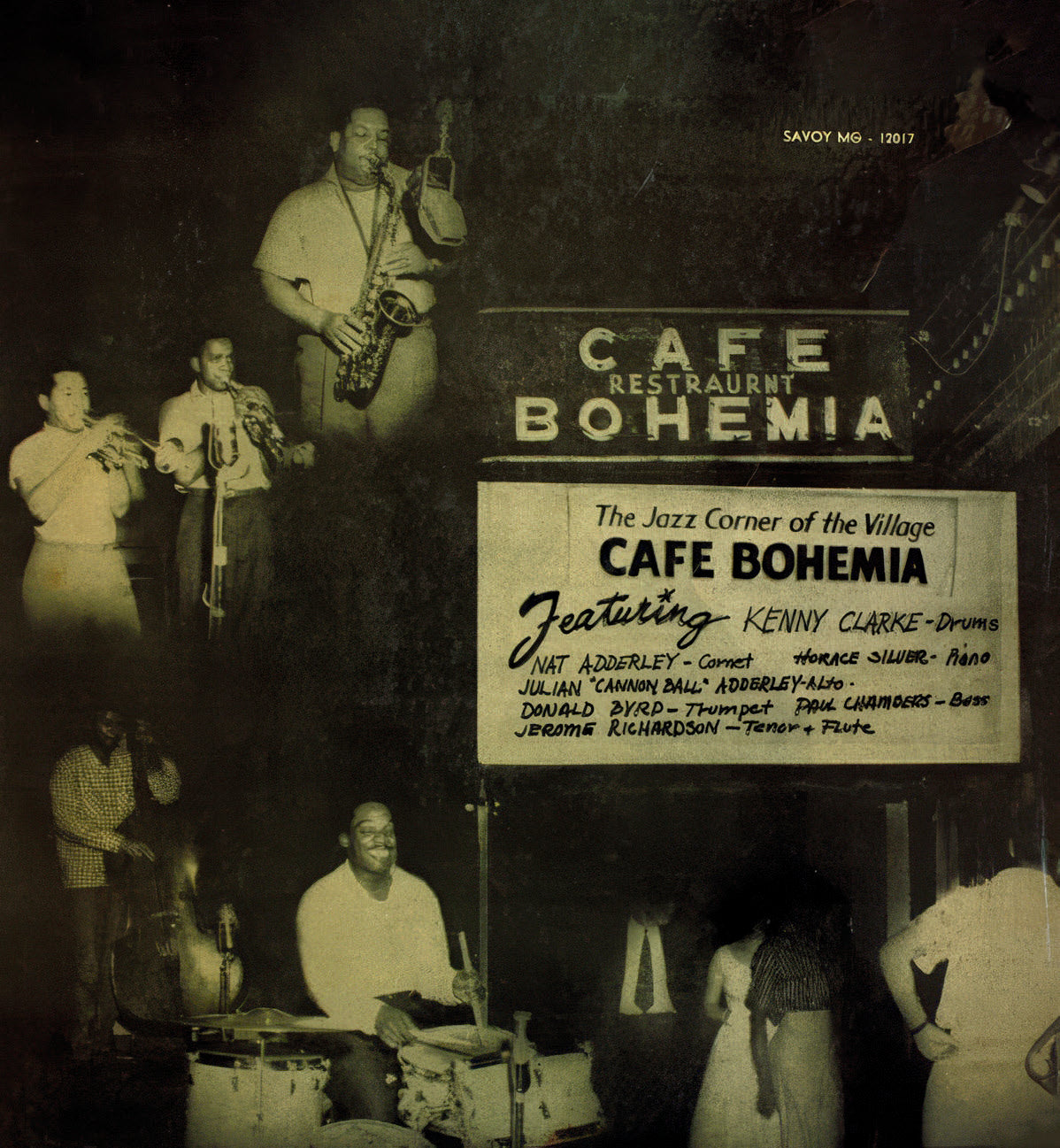
El restaurante —en cuyo letrero aparecía por error la palabra “Restraurnt”— estaba dirigido por el italoamericano Jimmy Garofalo y abrió sus puertas en 1955. En muy poco tiempo, el Café Bohemia se convirtió en una especie de meca para los modernistas del jazz. Allí se grabaron varios álbumes de algunos de los artistas más importantes del período, entre ellos Art Blakey, Charles Mingus, Kenny Dorham y George Wallington.
Oscar Pettiford, primer director artístico del local, llegó incluso a dedicar al club una composición titulada Bohemia After Dark.
El Café Bohemia también fue un escenario fundamental para las emisiones radiofónicas Bandstand U.S.A. de Mutual Network. Cada semana, el presentador Guy Wallace —a menudo acompañado por invitados— grababa y transmitía extraordinarias actuaciones en directo desde el Bohemia. Miles Davis apareció en estas emisiones ocho veces entre el 15 de septiembre de 1956 y el 17 de mayo de 1958.
Por primera vez en esta forma, esta edición reúne el conjunto completo de las grabaciones de Miles Davis para Bandstand U.S.A. —aproximadamente 120 minutos de música— distribuidas en tres volúmenes. Aunque parte del material circuló durante años en ediciones no oficiales, la mayoría de las pistas aparecen aquí oficialmente por primera vez, con velocidad y afinación corregidas y presentadas con la mejor calidad sonora posible a partir de las fuentes disponibles.
Versiones anteriores circulaban con frecuencia a una velocidad incorrecta y eran claramente desafinadas. Esta edición busca por ello ofrecer una representación lo más fiel posible de estas actuaciones.
Se ha realizado un cuidadoso trabajo para reproducir con fidelidad el sonido de aquella época. Los anuncios de Guy Wallace y de sus invitados se conservan íntegramente, aportando además valiosos testimonios históricos y culturales.
Encienda la radio y sumérjase en la atmósfera de la segunda mitad de los años cincuenta con la música del Miles Davis Quintet. Esperamos que disfrute de este viaje a través del tiempo y del sonido.
Una joya inesperada
Una de las características más singulares de estas grabaciones es la entrevista realizada por Guy Wallace a Jean Shepherd, el hombre que estuvo detrás de una de las bromas literarias más célebres de la historia de la prensa y la radio.
En la cinta del 13 de julio de 1957, Shepherd —conocido por su ingenio y talento narrativo— ofrece detalles sobre su famoso engaño literario, I, Libertine.
Habla de los orígenes de la broma, de su impacto en el mundo editorial y de la reacción del público. La conversación, entrelazada con las improvisaciones del quinteto, crea un singular tejido de palabra y música.
Las reflexiones de Shepherd sobre la manipulación de los medios y los fenómenos culturales dialogan de forma sorprendente con la espontaneidad y la innovación presentes en la interpretación de Davis. Esta rara intersección entre palabra hablada y jazz no solo muestra la brillantez narrativa de Shepherd, sino también la dinámica interacción del quinteto, convirtiendo la grabación en un documento excepcional de la cultura estadounidense de los años cincuenta.
En julio de 1957, el Miles Davis Quintet experimentó una importante reorganización con el regreso de dos antiguos colaboradores: Sonny Rollins sustituyó a John Coltrane y Art Taylor ocupó la batería en lugar de Philly Joe Jones.
Formación y sesión
Nueva York – Café Bohemia
15 Barrow Street, Greenwich Village
Miles Davis — trompeta
Sonny Rollins — saxofón tenor
Red Garland — piano
Paul Chambers — contrabajo
Art Taylor — batería
Guy Wallace — locutor de radio
La historia de I, Libertine
Una de las bromas literarias más brillantes del siglo XX comenzó como una provocación radiofónica.
A mediados de los años cincuenta, el locutor Jean Shepherd, frustrado por las rígidas prácticas de las listas de libros más vendidos —que solo contabilizaban los libros solicitados o vendidos en las librerías— animó a sus oyentes nocturnos a entrar en las tiendas y pedir una novela inexistente: I, Libertine, supuestamente escrita por el autor ficticio Frederick R. Ewing.
La noticia se difundió rápidamente. El título empezó a ser descrito como “muy solicitado”, algunos críticos afirmaron haberlo leído e incluso ciertos académicos comenzaron a citarlo.
Finalmente, el engaño adquirió vida propia: la editorial Ballantine Books decidió convertir la broma en realidad y encargó a Shepherd y al escritor de ciencia ficción Theodore Sturgeon que escribieran efectivamente la novela, publicada ese mismo año.
La contraportada revelaba orgullosamente todo el engaño, convirtiendo el libro a la vez en una novela satírica y en un monumento a la subversión mediática.
Tracklist y notas de escucha
A1 – Four (6:09)
Estructura: Intro de batería → tema → solos (Davis / Rollins / Garland) → tema
Solos: introducción de batería; Miles Davis; Sonny Rollins; Red Garland; regreso al tema.
Notas: Durante su solo, Miles cita la primera frase melódica de The Last Time I Saw Paris (compás 17 del primer chorus). Sonny Rollins hace referencia a Ornithology. Aunque durante mucho tiempo Four fue atribuido a Miles Davis, fue compuesto por Eddie “Cleanhead” Vinson, como también ocurrió con Tune Up.
A2 – Bye Bye Blackbird (Fragmento #1) (6:50)
Estructura: interpretación + superposición de locución
Solos: Miles Davis; Sonny Rollins; Red Garland (interrumpido).
Locución: Guy Wallace y Jean Shepherd intervienen sobre la actuación (3:53–6:16), mezclando palabra y música.
Notas: La interpretación se desvanece bruscamente durante el solo de piano. Garland abre con el tema en estrecha armonía con Miles, una tercera menor por encima de la melodía. Es la primera grabación en directo conocida de Bye Bye Blackbird por Miles Davis. El segmento hablado incluye una conversación sobre el engaño de I, Libertine, mezclando sátira y cultura radiofónica del jazz.
A3 – Bye Bye Blackbird (Fragmento #2) (0:39)
Locución (segmento completo): Guy Wallace presenta el concurso “Ask the Stars”.
Notas: Se invita a los oyentes a enviar preguntas relacionadas con el jazz para ganar premios, entre ellos sintonizadores Scott, amplificadores y altavoces Stephens. Jean Shepherd reacciona con comentarios humorísticos.
A4 – Anuncio de Guy Wallace (0:06)
Contenido: presentación del premio del concurso.
Notas: Amplificador y preamplificador H.H. Scott con sistema completo de control de tono. Un ejemplo representativo de la cultura radiofónica hi-fi de alta gama de finales de los años cincuenta.
A5 – It Never Entered My Mind (4:50)
Solos: Miles Davis (sordina Harmon); Red Garland.
Locución: Guy Wallace + Jean Shepherd (0:00–0:59).
Notas: El piano permanece claramente desafinado hasta el final del set. Red Garland cita Country Gardens de Percy Grainger. Esta es la última grabación en directo conocida de Miles Davis interpretando la pieza con su característica sordina Harmon sin vástago.
A6 – Walkin’ [Gravy] (4:20)
Solos: Miles Davis; Sonny Rollins (interrumpido).
Locución (1:20–4:00): conversación entre Guy Wallace y Jean Shepherd sobre la cultura del jazz.
Notas: El segmento reflexiona sobre las diferencias entre la recepción del jazz en Estados Unidos y Europa, destacando la mayor consideración institucional de la que gozaba el jazz europeo en aquel momento. La combinación de interpretación y comentario ofrece un retrato de la cultura radiofónica del jazz de mediados de siglo.
B1 – Anuncio de Guy Wallace (2:01)
Contenido: introducción en directo desde el Café Bohemia.
Notas: Apertura de la emisión sobre un solo de batería no identificado. Guy Wallace presenta al conjunto y restablece el contexto radiofónico en directo de Bandstand U.S.A.
B2 – Dear Old Stockholm (6:18)
Solos: Paul Chambers; Sonny Rollins; Miles Davis (solo final).
Notas: Chambers cita Carmen de Bizet durante su solo. De forma poco habitual, Miles realiza el último solo. Es la única grabación en directo conocida de Dear Old Stockholm por el Miles Davis Quintet. Gil Evans es probablemente el arreglista de esta pieza tradicional sueca.
B3 – Bags’ Groove (7:21)
Solos: Miles Davis; Sonny Rollins; Red Garland; Paul Chambers.
Locución (2:37–5:20): Guy Wallace presenta el concurso “Ask the Stars”.
Notas: Miles cita Ain’t She Sweet durante su solo. La emisión original fue interrumpida durante el solo de Rollins y parcialmente sustituida por S’posin’. Esta edición intenta reconstruir la secuencia original. Primera grabación en directo conocida de Bags’ Groove por Miles Davis.
B4 – Nature Boy (4:26)
Estructura: tema → solo de Garland → coda
Notas: Sonny Rollins no participa. Es la primera grabación en directo conocida de Nature Boy por Miles Davis. La pieza había sido grabada previamente en estudio con Charles Mingus (Blue Moods).
B5 – S’posin’ (2:24)
Estructura: interpretación en directo reconstruida
Solos: Miles Davis; Sonny Rollins (interrumpido).
Notas: Única grabación en directo conocida de S’posin’ por Miles Davis. Incluye comentarios de Maynard Ferguson sobre la evolución del jazz desde el Dixieland hasta los estilos modernos.
B6 – Anuncio de Guy Wallace (0:06)
Contenido: anuncio final de la emisión.
Notas: Transición del Café Bohemia al Village Vanguard, donde actuaba el Modern Jazz Quartet. Sin acompañamiento musical.
Edición audiófila: DMM, One-Step y MPI™
MPI™ – Micro-Precision Injection™ identifica la tecnología de fabricación del soporte utilizada para esta edición de GRooVE back Records. Es una especificación de producción distinta del Direct Metal Mastering (DMM), del proceso One-Step y del trabajo de restauración y remasterización de las fuentes históricas.
Nota técnica: restauración y remasterización
Desafortunadamente, las únicas transcripciones de cinta mono que sobrevivieron de estas grabaciones no siempre estaban en condiciones óptimas. Sin embargo, se han utilizado equipos de última generación y herramientas avanzadas de remasterización para mejorar la calidad del sonido tanto como ha sido posible.
Para presentar las actuaciones completas, se han reunido los mejores materiales disponibles, teniendo en cuenta que las grabaciones abarcan un período de tres años y fueron captadas por distintos equipos técnicos, con diferentes técnicas de microfonía y configuraciones. Esto produjo inevitablemente ligeras variaciones en la calidad del audio.
Esta edición representa la colección más completa y con el mejor sonido posible hasta la fecha de las legendarias sesiones del Café Bohemia, originalmente emitidas por Mutual Network en Bandstand U.S.A.
Créditos de producción
CURADURÍA DEL PROYECTO / PRODUCCIÓN EJECUTIVA
Massimo Corvino — GRooVE back Records
INVESTIGACIÓN HISTÓRICA, RECONSTRUCCIÓN DE FUENTES, CORRECCIÓN DE VELOCIDAD Y REMASTERIZACIÓN
Enrico Merlin
SUPERVISIÓN FINAL DE AUDIO
Marco Lincetto — Velut Luna
NOTAS DE PORTADA
Enrico Merlin
ASISTENCIA A LA INVESTIGACIÓN
Giovanni Principe · Ginger Thomas Principe
FOTOGRAFÍA DE PORTADA
Marvin Koner
Fotografiada frente al Café Bohemia, Nueva York, entre el 25 de mayo y el 10 de junio de 1956
CONCEPTO VISUAL, DIRECCIÓN ARTÍSTICA Y DISEÑO DEL ÁLBUM
Roberto Mares
AGRADECIMIENTOS HISTÓRICOS Y DISCOGRÁFICOS
Bob Belden · Jan Lohmann · Peter Losin · Teo Macero
AGRADECIMIENTOS
Piergiorgio Cupellini · Elisa Gabrielli · Paola Giordano · Igor Ebuli Poletti · Fabio Sala
Grabaciones completas con anuncios de los locutores y voces superpuestas incluidos.
GBR00125 – MADE IN EU ®2026


-

Spedizioni prodotti fisici
Spedizioni gratuite in Europa (UE), a partire da 4 articoli - Richiedere quatozione per i costi di spedizione per i paesi non UE
-
Consegna prodotti digitali
La consegna dei prodotti digitali avverrà direttamente sul sito e riceverai anche una email con il link per il download dei file.
-
Scrivi una recensione
Qui sopra puoi scrivere una recensione sul prodotto che hai acquistato, saremo felici di conoscere la tua opinione.
