Collection: Ottorino Respighi
Ottorino Respighi, Academician of Italy (Bologna, July 9, 1879 – Rome, April 18, 1936), was an Italian composer, musicologist, and conductor.
He belonged to the group of musicians who were the true architects of the renewal of Italian music in those years, known as the "generation of the Eighties," alongside Alfredo Casella, Franco Alfano, Gian Francesco Malipiero, and Ildebrando Pizzetti. Respighi composed many works of various genres (sonatas, concertos, suites, operas, cycles for voice and piano, and more), but he is best known for a series of symphonic poems dedicated to Rome (the Roman Trilogy), of which the second, Pines of Rome, is the most celebrated and by far the most recorded.
He was also active as a transcriber and musicologist; in this context, his Ancient Airs and Dances for Lute (suites I, II, and III), an orchestration of Renaissance pieces, as well as his orchestral transcriptions of Johann Sebastian Bach's Passacaglia BWV 582, Rachmaninoff's Études-Tableaux, and pieces originally written for piano by Gioachino Rossini, are noteworthy. He was also interested in Gregorian music and produced a Gregorian Concerto for violin and orchestra (1921) and the symphonic suite Church Windows (1926), based on Gregorian melodies.
He belonged to the group of musicians who were the true architects of the renewal of Italian music in those years, known as the "generation of the Eighties," alongside Alfredo Casella, Franco Alfano, Gian Francesco Malipiero, and Ildebrando Pizzetti. Respighi composed many works of various genres (sonatas, concertos, suites, operas, cycles for voice and piano, and more), but he is best known for a series of symphonic poems dedicated to Rome (the Roman Trilogy), of which the second, Pines of Rome, is the most celebrated and by far the most recorded.
He was also active as a transcriber and musicologist; in this context, his Ancient Airs and Dances for Lute (suites I, II, and III), an orchestration of Renaissance pieces, as well as his orchestral transcriptions of Johann Sebastian Bach's Passacaglia BWV 582, Rachmaninoff's Études-Tableaux, and pieces originally written for piano by Gioachino Rossini, are noteworthy. He was also interested in Gregorian music and produced a Gregorian Concerto for violin and orchestra (1921) and the symphonic suite Church Windows (1926), based on Gregorian melodies.

-
BEETHOVEN IN TRIO - RACHMANINOV TRIO
Vendor:Velut LunaRegular price $19.00 USDRegular price$0.00 USDSale price $19.00 USD -
ROTA, RESPIGHI, MARTUCCI & PUCCINI: ITALIAN CONCERT - THE SOLOISTS OF PAVIA, DINDO
Vendor:Velut LunaRegular price From $10.00 USDRegular price$0.00 USDSale price From $10.00 USD -
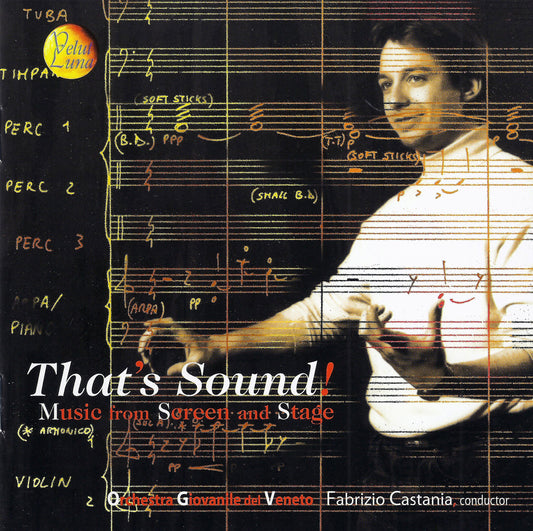
THAT'S SOUND: MUSIC FROM SCREEN AND STAGE - FABIO CASTANIA, VENETO YOUTH ORCHESTRA
Vendor:Velut LunaRegular price $19.00 USDRegular price$0.00 USDSale price $19.00 USD -
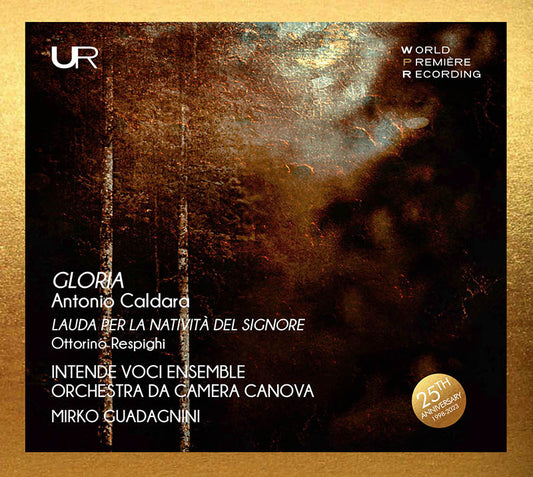
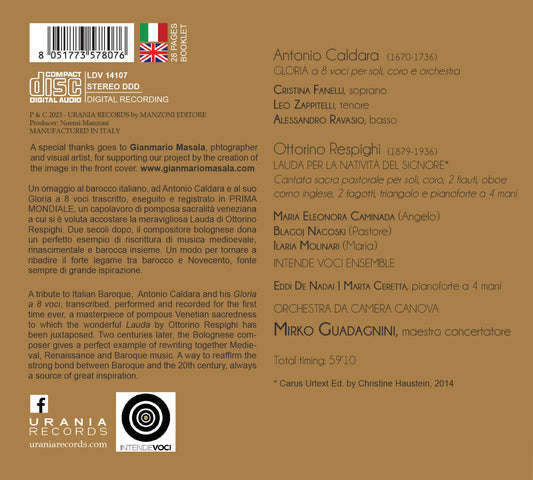
ANTONIO CALDARA: GLORY
Vendor:Urania RecordsRegular price $19.00 USDRegular price$0.00 USDSale price $19.00 USD -
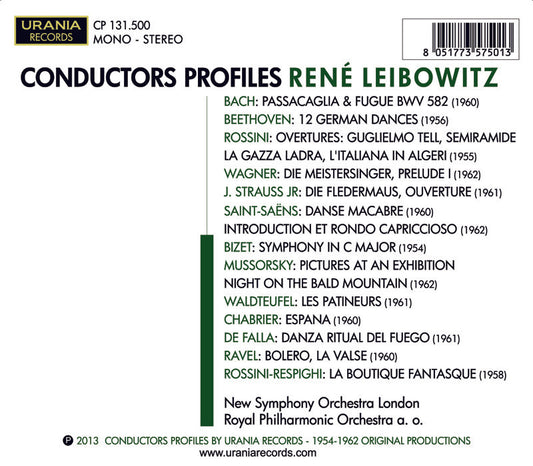
LEIBOWITZ CONDUCTS
Vendor:Urania RecordsRegular price $26.00 USDRegular price$0.00 USDSale price $26.00 USD -
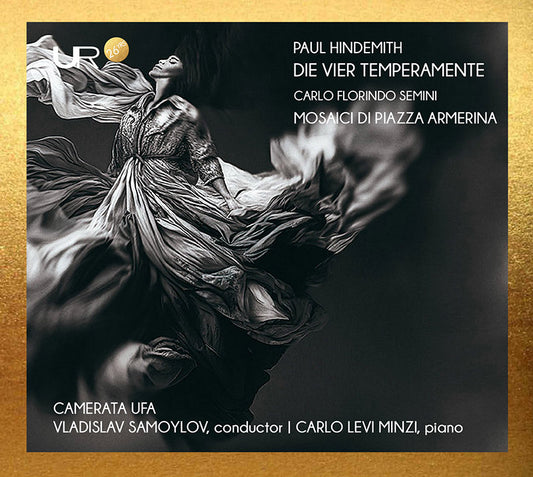
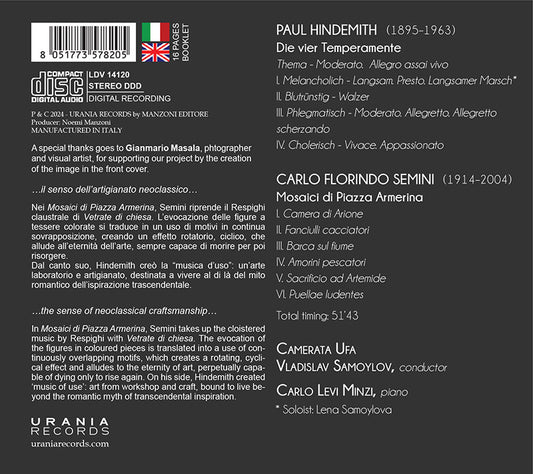
HINDEMITH + SEEDS
Vendor:Urania RecordsRegular price $19.00 USDRegular price$0.00 USDSale price $19.00 USD -
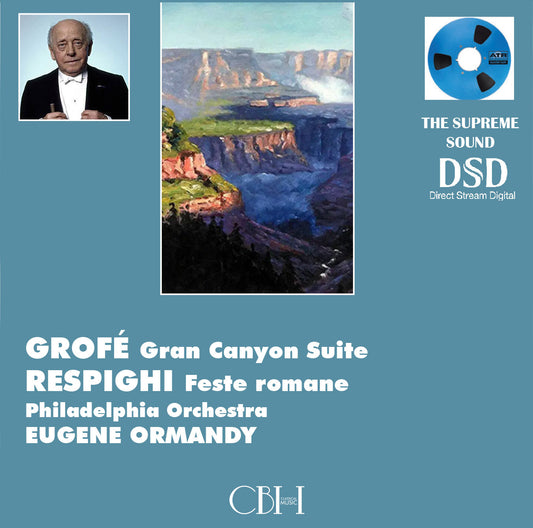
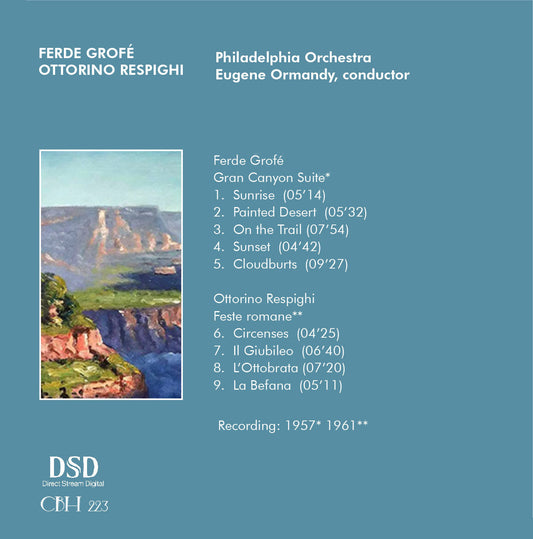
GROFÉ | RESPIGHI - Eugene Ormandy Philadelphia Orchestra
Vendor:Capsa SymphōnĭaRegular price From $10.00 USDRegular price -
Doráti: Respighi, Enescu & Liszt — The Birds, Brazilian Impressions & Rhapsodies
Vendor:Capsa SymphōnĭaRegular price $10.00 USDRegular price -
CLARINAMENTE - LUCCHETTA, CLARINET ENSEMBLE
Vendor:Velut LunaRegular price $19.00 USDRegular price$0.00 USDSale price $19.00 USD -
Ormandy: Respighi — Pines of Rome, Fountains of Rome & Roman Festivals
Vendor:Capsa SymphōnĭaRegular price $10.00 USDRegular price