Collection: Richard Wagner
Richard Wagner (1813–1883) was one of the most influential German composers, conductors, and music theorists of the 19th century.
He was born on May 22, 1813, in Leipzig. From a young age, he showed an interest in music and theatre, studying composition and developing a very innovative personal style.
Career and Works
Wagner revolutionized opera by introducing the concept of "music drama", in which music, text, and stage design are closely integrated. Among his most famous works are:
- The Ring of the Nibelung (a cycle of four monumental operas)
- Tristan und Isolde
- Die Meistersinger von Nürnberg
- Parsifal
He introduced the systematic use of leitmotifs, musical themes associated with characters or ideas.
Life and Context
His life was turbulent: he participated in the 1848 revolutions and lived in exile for several years. He later found support in King Ludwig II of Bavaria, who financed his works.
Wagner had the Bayreuth Theatre, the Bayreuth Festspielhaus, built specifically to stage his operas.
Death
He died on February 13, 1883, in Venice.
In Summary
Wagner is considered a key figure in Romantic music: he profoundly transformed opera, influencing generations of subsequent composers and leaving a lasting imprint on the history of music.

-
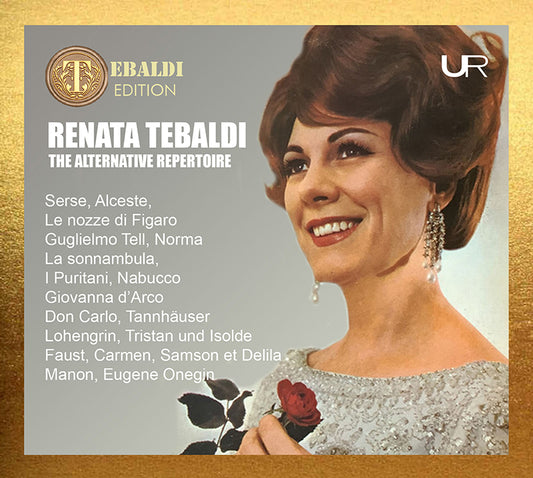
RENATA TEBALDI: THE ALTERNATIVE REPERTOIRE 1956–1969
Vendor:Urania RecordsRegular price $20.00 USDRegular price$0.00 USDSale price $20.00 USD -
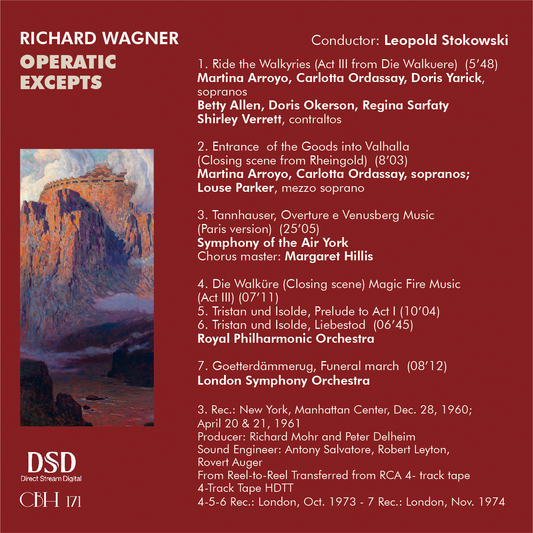
Richard Wagner: Operatic Excerpts - Leopold Stokowski
Vendor:Capsa SymphōnĭaRegular price From $10.00 USDRegular price -
KARAJAN AND SCHWARZKOPF RECORDINGS
Vendor:Urania RecordsRegular price $19.00 USDRegular price$0.00 USDSale price $19.00 USD -
CENTENARY ANTHOLOGY - POLLINI
Vendor:Velut LunaRegular price $19.00 USDRegular price$0.00 USDSale price $19.00 USD -

 Sold out
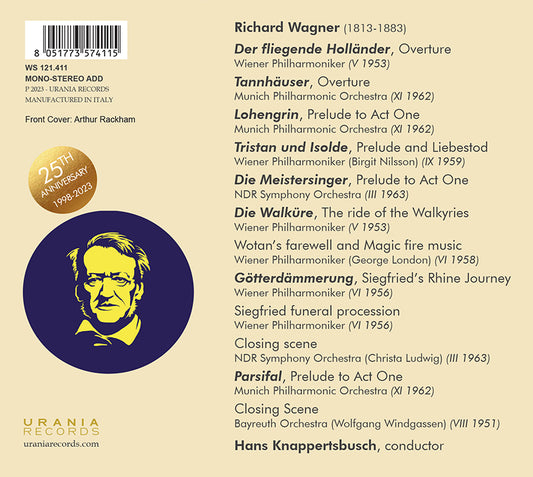
SYMPHONICAL WAGNER – KNAPPERTSBUSH
Vendor:Urania RecordsRegular price $20.00 USDRegular price$0.00 USDSale price $20.00 USDSold out -
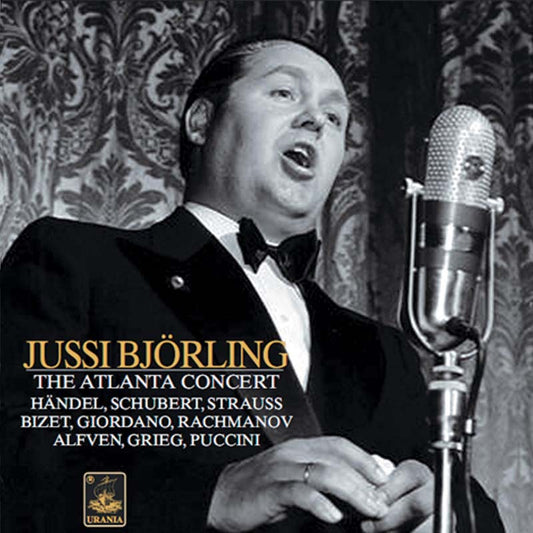
BJOERLING: THE STOCKHOLM & ATLANTA CONCERTS
Vendor:Urania RecordsRegular price $10.00 USDRegular price$0.00 USDSale price $10.00 USD -
DECLINE AND FALL OF THE WESTERN MUSIC
Vendor:Urania RecordsRegular price $19.00 USDRegular price$0.00 USDSale price $19.00 USD -
Karajan Conducts Beethoven: Symphony No. 9
Vendor:Capsa SymphōnĭaRegular price $10.00 USDRegular price -
KARAJAN: THE COLUMBIA GOLDEN YEARS
Vendor:Urania RecordsRegular price $16.00 USDRegular price$0.00 USDSale price $16.00 USD -
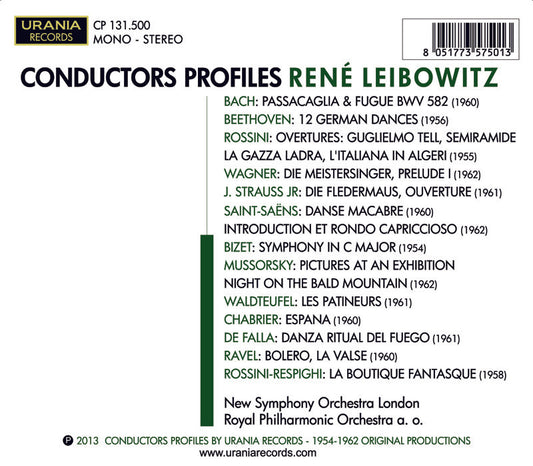
LEIBOWITZ CONDUCTS
Vendor:Urania RecordsRegular price $26.00 USDRegular price$0.00 USDSale price $26.00 USD -
WAGNER: DAS RHEINGOLD - KRAUSS
Vendor:Urania RecordsRegular price $13.00 USDRegular price$0.00 USDSale price $13.00 USD -
LOHENGRIN'S HELMET - Mario Panizzardi
Vendor:Manzoni EditoreRegular price $34.00 USDRegular price -
TRÄUME, THE GOLDEN SONGS
Vendor:Urania RecordsRegular price $21.00 USDRegular price$0.00 USDSale price $21.00 USD -
Mahler & Wagner: Orchestral Works (Live)
Vendor:Capsa SymphōnĭaRegular price $10.00 USDRegular price -
Mahler & Wagner: Orchestral Works
Vendor:Capsa SymphōnĭaRegular price $10.00 USDRegular price -
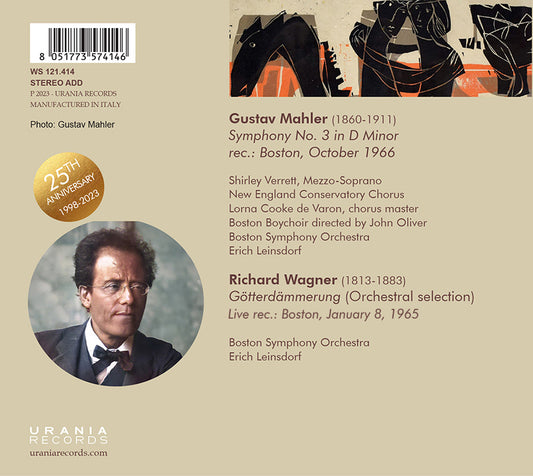
LEINSDORF CONDUCTS MAHLER & WAGNER
Vendor:Urania RecordsRegular price $20.00 USDRegular price$0.00 USDSale price $20.00 USDSold out -
Cluytens conducts Wagner, Mussorgsky, Ravel
Vendor:Capsa SymphōnĭaRegular price $10.00 USDRegular price -
Bruckner: Symphony No. 3 in D Minor, WAB 103 "Wagner" (1877 Version) [Live]
Vendor:Capsa SymphōnĭaRegular price $10.00 USDRegular price -
Bernstein conducts Wagner: Gotterdammerung (Selection)
Vendor:Capsa SymphōnĭaRegular price $10.00 USDRegular price -
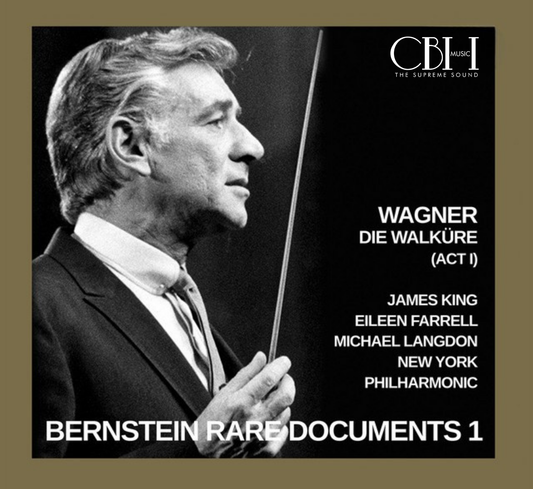
Bernstein conducts Wagner: Die Walküre (Act I)
Vendor:Capsa SymphōnĭaRegular price $10.00 USDRegular price










![Bruckner: Symphony No. 3 in D Minor, WAB 103 "Wagner" (1877 Version) [Live]](http://referencemusicstore.myshopify.com/cdn/shop/files/covercbh_1af369c6-c440-4f70-9c0d-3e993e463d1e.png?v=1754578606&width=533)